Dry Skin vs Dehydrated Skin Perth | Bare Skin and Beauty
Understanding Dry and Dehydrated Skin in Perth
Understanding the differences between dry and dehydrated skin is crucial for maintaining healthy skin, especially in Perth’s unique climate.
Dry and dehydrated skin conditions, though often misunderstood, require distinct treatments. Dehydrated skin lacks water and can make skin appear dull, while dry skin is a skin type characterized by insufficient oils. Individuals in Perth frequently face challenges with these conditions due to the area’s weather variations and water quality.
Recognizing these differences will help you tailor your skincare routine effectively.
In the world of skincare, understanding the nuances between dry skin and dehydrated skin can make all the difference in achieving radiant, healthy skin. These two conditions, often mistaken for one another, require distinct approaches to treatment and care. As a leading skin and beauty clinic in Perth, we recognize the importance of educating our clients about these differences and how they impact skin health. This detailed guide will help you discern whether you’re experiencing dry or dehydrated skin and the best ways to address each.
Dry Skin vs. Dehydrated Skin: A Detailed Look
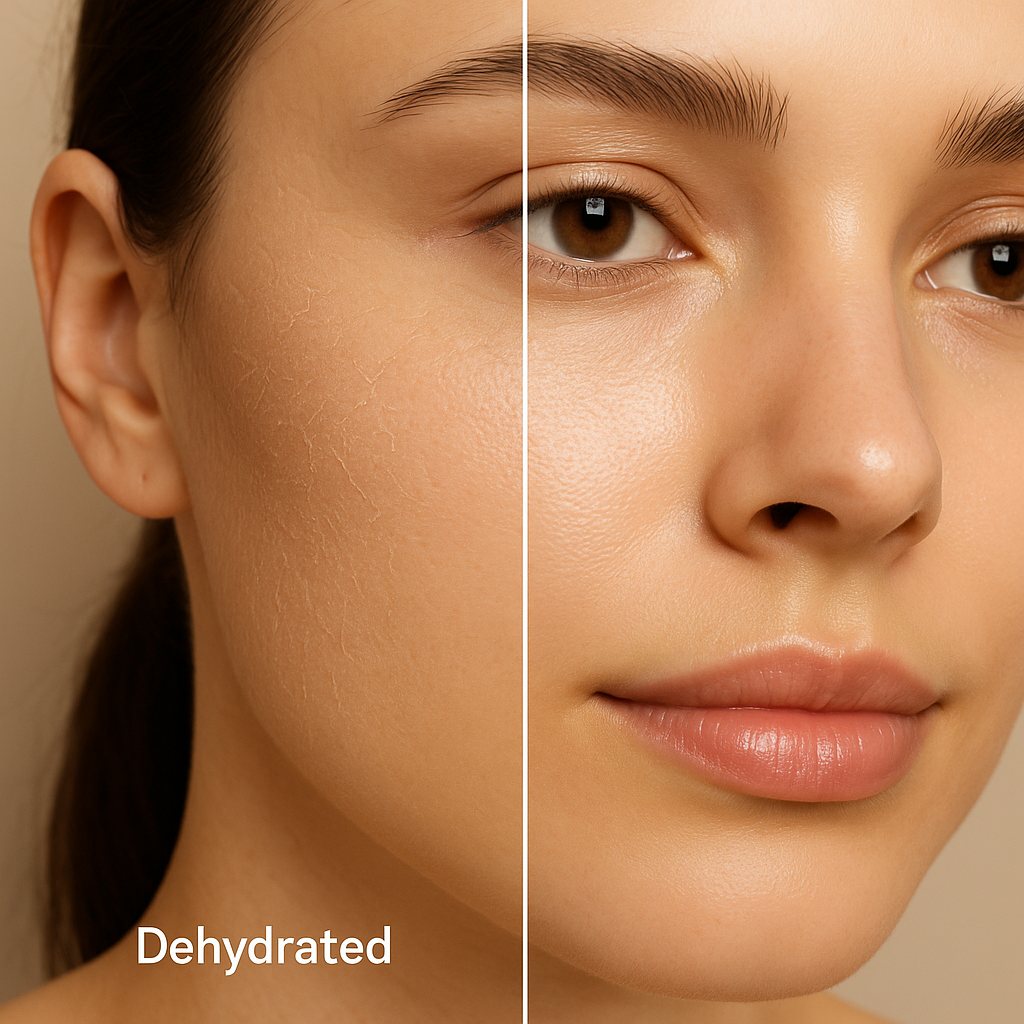
While dry skin refers to a skin type defined by insufficient natural oils, dehydrated skin is a condition where the skin lacks essential water content, potentially affecting any skin type.
Perth’s unique climate—known for its hot summers and mild, wet winters—can exacerbate these conditions differently. Dry skin often feels itchy and can lead to flakiness, largely governed by genetics or environmental influences. In contrast, dehydrated skin often appears dull and lacks elasticity, prompting concerns across all skin types. Distinguishing between skin types and concerns sets the stage for optimized skincare routines.
Identifying Symptoms: Is Your Skin Dry or Dehydrated?
Recognizing the tell-tale signs of dry and dehydrated skin allows for a tailored skincare approach.
- Dry Skin Symptoms: Common attributes include roughness, redness, and potential cracking. This condition heightens susceptibility to environmental stressors, emphasizing the need for protective skincare.
- Dehydrated Skin Symptoms: Indications include prominent dark circles, a feeling of tautness, and occasional peeling. Notably, dehydration may also cause a temporary loss of plumpness and resilience.
The Underlying Causes: Pinpointing Triggers for Dry and Dehydrated Skin
In Perth, harsh UV exposure and drying air-conditioning are common contributors to dry skin. Genetic predisposition, aging, and lifestyle choices such as harsh skincare products can further exacerbate dryness. In comparison, dehydrated skin often arises from inadequate hydration practices, including limited water intake and excessive caffeine or alcohol consumption, typical in active lifestyles. Sitting under the sun at Perth’s beautiful beaches can also inadvertently lead to moisture loss without proper hydrating care.
Understanding Oily Yet Dehydrated Skin
A prevalent myth is that oily skin is immune to dehydration. However, the reality is quite different. 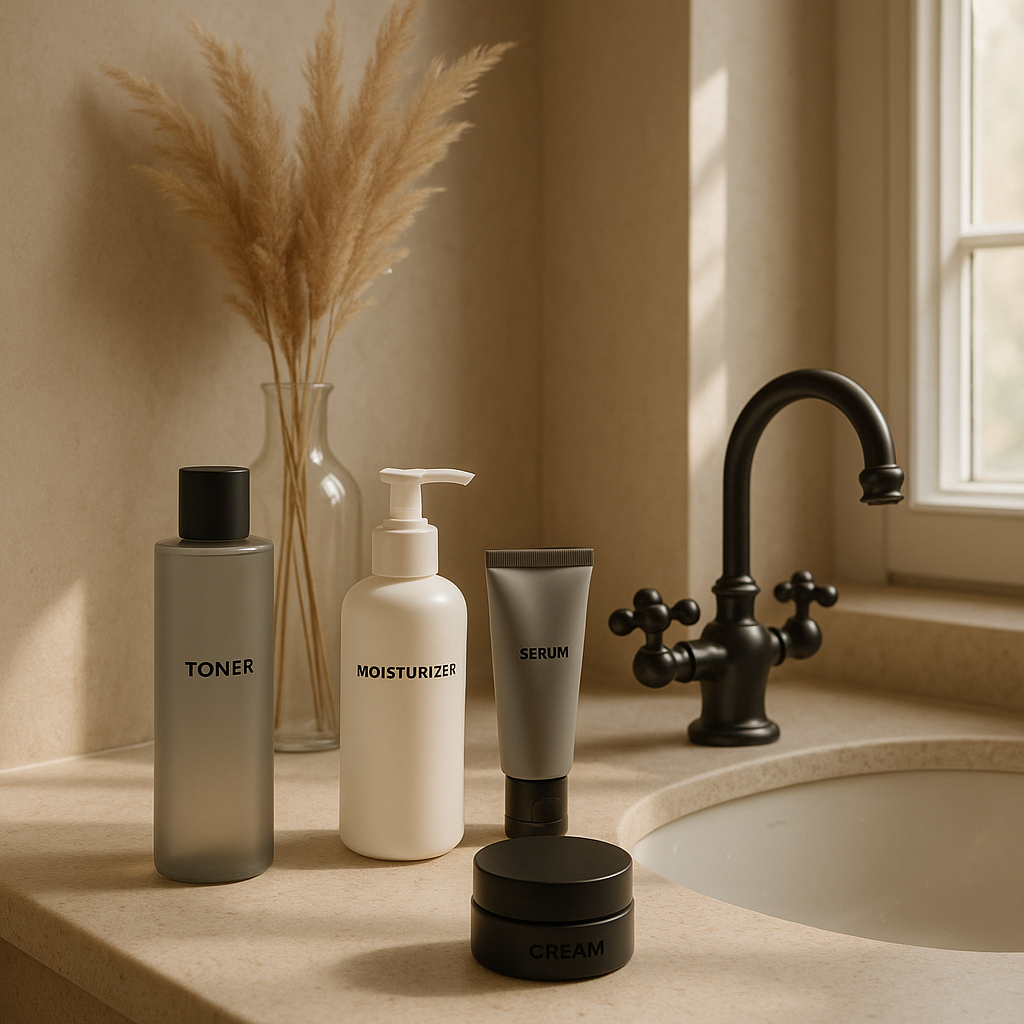
Oily skin lacks water, not oil, meaning it can still suffer from dehydration. This can result in skin that feels paradoxically tight and uncomfortable. Understanding this distinction is critical for developing an effective treatment plan that addresses the need for water supplementation without additional oils.
Simple Tests to Determine Skin Dehydration at Home
At-home tests, like the pinch test, provide insights into your skin’s hydration status:
- Choose an area like your cheek or back of your hand.
- Pinch the skin gently between your fingers.
- If the skin snaps back quickly, it’s well-hydrated. A slow return suggests dehydration.
Optimal Skincare Ingredients for Different Skin Conditions
To combat dry skin, consider products rich in ceramides and occlusives like shea butter, which replenish lost oils. Additionally, fatty acids and squalane offer moisture and support the skin barrier. Dehydrated skin benefits from ingredients like hyaluronic acid and glycerin, which draw water into the skin layers. Aloe vera and panthenol also provide hydration and soothe the skin.
Customizing Your Skincare Routine
Adjust your routine to suit your skin’s specific needs:
- Dry Skin Routine: Incorporate a hydrating, non-foaming cleanser, followed by an oil-based moisturizer to seal in moisture. Limit exfoliation with a gentle, non-abrasive exfoliant no more than once per week.
- Dehydrated Skin Routine: Utilize a mild, water-based cleanser, then apply a hydrating serum featuring hyaluronic acid prior to a light, water-based moisturizer. Regular, gentle chemical exfoliation helps to remove dulling dead cells effectively.
Expert Skincare Consultations in Perth: Hillarys and Ellenbrook Clinics
Enhance your skincare strategy by visiting one of our Perth clinics. At our Hillarys and Ellenbrook locations, our team provides personalized consultations to tailor treatment regimens unique to your skin type and condition.
Book Your Skincare Consultation Today
For expert advice and tailored skincare solutions, book a consultation with our specialists in Perth. Whether you visit our Hillarys or Ellenbrook clinic, you can embark on your journey to healthier, happier skin. Begin your skincare transformation today and let our professionals guide you every step of the way.
Dry vs Dehydrated Skin FAQs
What is the difference between dry and dehydrated skin?
Dry skin lacks oil, while dehydrated skin lacks water.
Dry skin is a skin type characterized by insufficient natural oils, whereas dehydrated skin is a condition that can affect any skin type and is due to a lack of water in the skin. Understanding these differences is crucial for proper skincare.
How can I treat dehydrated skin effectively?
Treat dehydrated skin by enhancing water intake and using hydrating products like hyaluronic acid.
To address dehydration, increase your water consumption and apply products with water-attracting ingredients such as glycerin or hyaluronic acid to restore moisture balance. This approach helps improve skin resilience and appearance.
What are common symptoms of dehydrated skin?
Common symptoms include a feeling of tightness, dullness, and a lack of elasticity.
Dehydrated skin may also show visible signs like prominent dark circles and may feel taut or uncomfortable. Recognizing these symptoms can help tailor your skincare routine effectively.
Can oily skin still be dehydrated?
Yes, oily skin can also suffer from dehydration due to a lack of water, not oil.
It’s a common misconception that oily skin doesn’t lack moisture; however, dehydration affects the water content in the skin, leading to tightness and discomfort, requiring specific hydrating treatments without added oils.